 +91 9810683942
 info@akshatagro.com
+91 9810683942
info@akshatagro.com
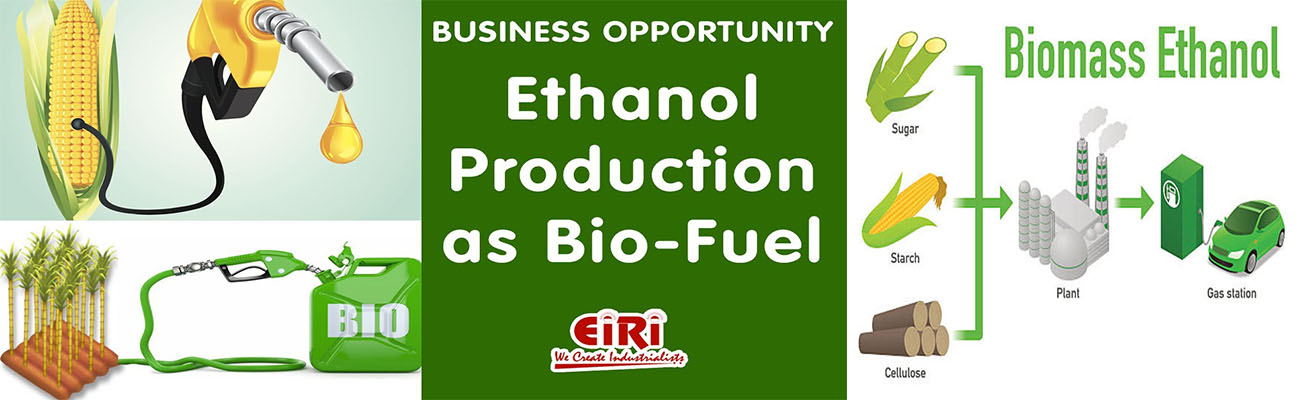
(Ethanol) Renewable Fuels are fuels produced from renewable resources. Examples include: biofuels (e.g. Vegetable oil used as fuel, ethanol, methanol from clean energy and carbon dioxide or biomass, and biodiesel), Hydrogen fuel (when produced with renewable processes), and fully synthetic fuel (also known as electrofuel) produced from ambient carbon dioxide and water. This is in contrast to non-renewable fuels such as natural gas, LPG (propane), petroleum and other fossil fuels and nuclear energy. Renewable fuels can include fuels that are synthesized from renewable energy sources, such as wind and solar. Renewable fuels have gained in popularity due to their sustainability, low contributions to the carbon cycle, and in some cases lower amounts of greenhouse gases. The geo-political ramifications of these fuels are also of interest, particularly to industrialized economies which desire independence fro m Middle Eastern oil. . It is most often used as a motor fuel, mainly as a biofuel additive for gasoline. Several common ethanol fuel mixtures are in use around the world. The use of pure hydrous or anhydrous ethanol in internal combustion engines (ICEs) is only possible if the engines are designed or modified for that purpose. Anhydrous ethanol can be blended with gasoline (petrol) for use in gasoline engines, but with high ethanol content only after engine modifications to meter increased fuel volume since pure ethanol contains only 2/3 the energy of an equivalent volume of pure gasoline. High percentage ethanol mixtures are used in some racing engine applications as the very high octane rating of ethanol is compatible with very high compression ratios. The first production car running entirely on ethanol was the Fiat 147, introduced in 1978 in Brazil by Fiat. Ethanol is commonly made from biomass such as corn or sugarcane. World ethanol production for transport fuel tripled between 2000 and 2007 from 17×109 liters (4.5×10⁹ U.S. gal; 3.7×10⁹ imp gal) to more than 52×109 liters (14×109 U.S. gal; 11×109 imp gal). From 2007 to 2008, the share of ethanol in global gasoline type fuel use increased from 3.7% to 5.4%. In 2011 worldwide ethanol fuel production reached 8.46×10⁹ liters (2.23×10⁹ U.S. gal; 1.86×10⁹ imp gal) with the United States of America and Brazil being the top producers, accounting for 62.2% and 25% of global pro anol fuel is fuel containing ethyl alcohol, the same type of alcohol as found in alcoholic beveragesduction, respectively.US ethanol production reached 57.54×10⁹ liters (15.20×10⁹ U.S. gal; 12.66×10⁹ imp gal) in May 2017.[3] Ethanol fuel has a "gasoline gallon equivalency" (GGE) value of 1.5, i.e. to replace the energy of 1 volume of gasoline, 1.5 times the volume of ethanol is needed. Ethanol-blended fuel is widely used in Brazil, the United States, and Europe (see also Ethanol fuel by country).[2] Most cars on the road today in the U.S. can run on blends of up to 15% ethanol,[6] and ethanol represented 10% of the U.S. gasoline fuel supply derived from domestic sources in 2011.[2] Some flexible-fuel vehicles are able to use up to 100% ethanol.