 +91 9810683942
 info@akshatagro.com
+91 9810683942
info@akshatagro.com
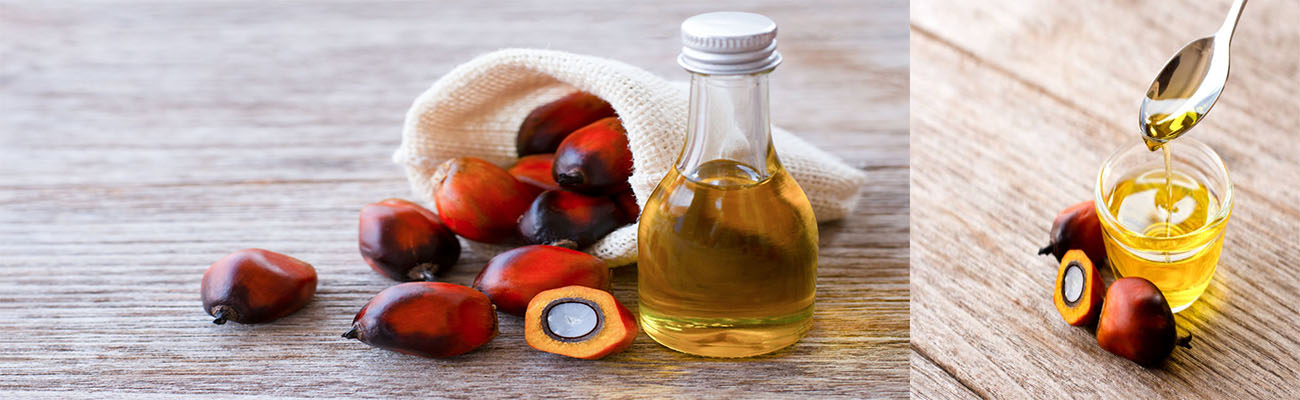
Palm oil Palm oil is an edible vegetable oil derived from the mesocarp (reddish pulp) of the fruit of the oil palms.The oil is used in food manufacturing, in beauty products, and as biofuel. Palm oil accounted for about 36% of global oils produced from oil crops in 2014. Palm oils are easier to stabilize and maintain quality of flavor and consistency in ultra-processed foods, so are frequently favored by food manufacturers. On average globally, humans consumed 7.7 kg (17 lb) of palm oil per person in 2015 Demand has also increased for other uses, such as cosmetics and biofuels, creating more demand on the supply encouraging the growth of palm oil plantations in tropical countries. The use of palm oil has attracted the concern of environmental and human right groups. The palm oil industry is a significant contributor to deforestation in the tropics where palms are grown, and has been cited as a factor in social problems due to allegations of human rights violations among growers. An industry group formed in 2004 to create more sustainable and ethical palm oil, through the Roundtable on Sustainable Palm Oil. However, very little palm oil is certified through the organization, and some groups have criticized it as greenwashing. In 2018, a report by the International Union for Conservation of Nature acknowledged that palm oil is much more efficient than other oils in terms of land and water usage; however, deforestation causes more biodiversity loss than switching to other oils. The biggest global producers of palm oil are Indonesia, who produced 60% of it in 2022, followed by Malaysia, Thailand, and Nigeria. Indonesia produces biodiesel primarily from palm oil Palm oil block showing the lighter color that results from boiling History Oil palms (Elaeis guineensis) Humans used oil palms as far back as 5,000 years. In the late 1800s, archaeologists discovered a substance that they concluded was originally palm oil in a tomb at Abydos dating back to 3,000 BCE. Palm oil from Elaeis guineensis has long been recognized in West and Central African countries, used widely as a cooking oil. European merchants trading with West Africa occasionally purchased palm oil for use as a cooking oil in Europe. Palm oil became a highly sought-after commodity by British traders for use as an industrial lubricant for machinery during Britain's Industrial Revolution. Palm oil formed the basis of soap products, such as Lever Brothers' (now Unilever) "Sunlight" soap, and the American Palmolive brand. By around 1870, palm oil constituted the primary export of some West African countries, although this was overtaken by cocoa in the 1880s with the introduction of colonial European cocoa plantations. Red palm oil[edit] Red Palm oil being sold on the side of the road in plastic bottles in Ghana. Artisanal production of palm oil is common in Ghana, providing a key staple food stuff in most traditional cooking. Since the mid-1990s, red palm oil has been cold-pressed from the fruit of the oil palm and bottled for use as a cooking oil, in addition to other uses such as being blended into mayonnaise and vegetable oil.] White palm oil White palm oil is the result of processing and refining. When refined, the palm oil loses its deep red color. It is extensively used in food manufacture and can be found in a variety of processed foods including peanut butter and chips. It is often labeled as palm shortening and is used as a replacement ingredient for hydrogenated fats in a variety of baked and fried products. Uses Palm oil production is done in some parts of the world artisanally, and the locally produced oil is used for food, handicrafts and other products. This woman in the Democratic Republic of the Congo is showing the palm fruit above a pot for processing the fruit. In food The highly saturated nature of palm oil renders it solid at room temperature in temperate regions, making it a cheap substitute for butter or hydrogenated vegetable oils in uses where solid fat is desirable, such as the making of pastry dough and baked goods. Palm oil is used in West African cuisine such as egusi soup and okra soup. The health concerns related to trans fats in hydrogenated vegetable oils may have contributed to the increasing use of palm oil in the food industry. Palm oil is sometimes used as a minor ingredient in calf milk replacer. Non-food consumer products Palm oil is pervasively used in personal care and cleaning products, and it provides the foaming agent in nearly every soap, shampoo, or detergent. Around 70% of personal care products including soap, shampoo, makeup, and lotion, contain ingredients derived from palm oil. However, there are more than 200 different names for these palm oil ingredients and only 10% of them include the word "palm"