 +91 9810683942
 info@akshatagro.com
+91 9810683942
info@akshatagro.com
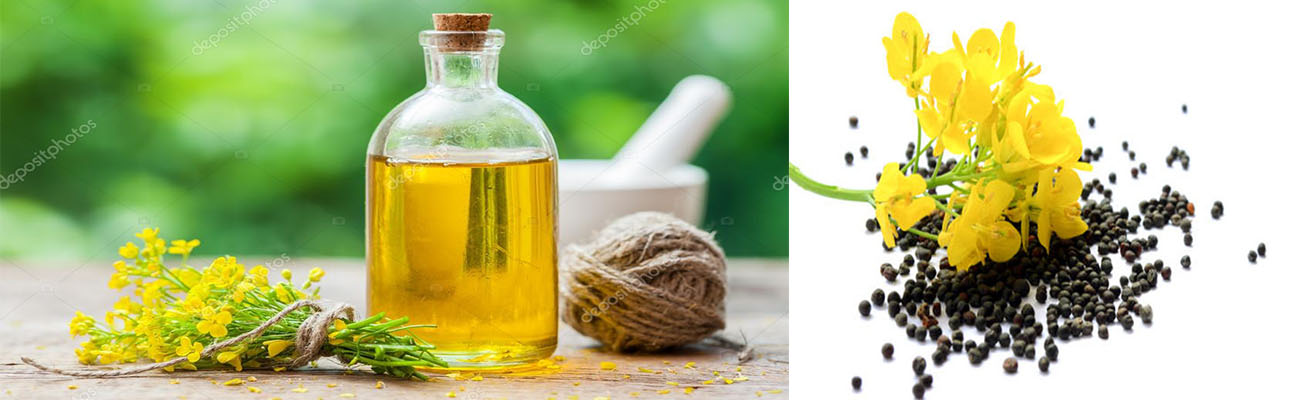
4.0 COMMODITY STANDARDS Table 1: Canola Standard Commodity: CANOLA Standard Reference No: CSO 1 Parameter Specification Comment/Price Adjustment Physical & Chemical Parameters Description Canola is defined as seed of the species Brassica napus or Brassica rapa but containing less than 30 micromoles of specified glucosinolates per g of oil-free air-dry solids and not more than 2% erucic acid in the oil component, as a proportion of the total fatty acids content. The specified glucosinolates are any one or a mixture of 3-butenyl, 4-pentenyl, 2-hydroxy-3-butenyl and 2-hydroxy-4-pentenyl glucosinolates. Accepted Varieties As per Masterlist Approved canola varieties as listed in these Standards or on the AOF website. Oil (%) 42.0 base level 1.5% premium or deduction for each 1% above or below 42% Free Fatty Acid (%) 1.0 base level 2% deduction for each 1% over the base level, rejectable over 2.5% Moisture Max (%) 8.0 2% deduction for each 1% over maximum Test Weight Min (kg/hl) 62.0 Rejectable under this limit Protein Unlimited Seed Retention Unlimited Germination Unlimited Defective Canola (Maximum % count unless otherwise stated based on a 1,000 seed sample retained above 1.0mm round hole screen) Broken or Split (%) 7.0 Includes Insect Damaged. 0.5% deduction for each 1% over the maximum Heat Damaged (per 1 Assessed on crushed seeds 1,000 seeds) Mould (per 1,000 seeds) 5 Assessed on whole seeds before crushing Damaged (%) 3.0 Includes Diseased, Weather Damaged and Otherwise Materially Damaged. Frost Damaged seeds are not included in Damaged (refer Impurities). 0.5% deduction for each 1% over the maximum, rejectable over 10% Sprouted (%) 5.0 0.5% deduction for each 1% over the maximum Green (%) 2.0 No penalty up to a maximum of 2%, rejectable over 2% using the ruler method. Alternatively, determine as Chlorophyll, with a maximum of 12ppm and rejectable over. Contaminants (Maximum count per half litre unless otherwise stated, rejectable over unless deductions are stated as applying) Impurities (% wt/wt) 3.0 All foreign material. This includes canola and all other material falling through the 1.0mm round hole screen and Frost Damaged canola seeds. 1% deduction for each 1% of impurities up to 4%, 2% deduction for each 1% of impurities over 4%. Snails/Stones 1 Snail/Stone above Tolerance of 1 per 2.5 litre sample for any Snails/Stones remaining above a 3.0 mm round hole 3.0mm screen / 2.5L screen. If one Snail/Stone is found above the screen in the ½ litre sample, then a further four ½ litre samples should be taken. If a Snail/Stone is found in any one of the subsequent samples, the load is to be rejected. For stones a maximum weight of 4.0g applies. 1 Snail/Stone below Tolerance of 1 Snail/Stone per ½ litre sample, passing through a 3.0 mm round hole screen. 3.0mm screen / 0.5L Insects – Large 10 Includes Rutherglen bugs, ladybirds, grasshoppers, wood bugs, sitona weevils, earwigs, (Live and/or Dead) millipedes, vegetable bugs and pea weevil (dead only). Insects – Small (Live 100 Includes all species of aphid, all species of mites and stored product insects (dead only). and/or Dead) Ryegrass Ergot (length in 0.5 Maximum length of all pieces aligned end on end. cm) Sclerotes (% by wt) 0.5 Canola Sclerotes. Sand/Soil (% by wt) 0.1 Objectionable Material Nil Commercially unacceptable material such as, but not limited to, harmful substances including live (entire load) stored product insects, live pea weevil, glass, metal, specified weed seeds in excess of the limit prescribed in any of the State Stockfeed Regulations lists of permitted weed seeds, chemicals not approved for canola, musty seed and other material imparting an odour to the canola, tainting agents, animal material, fertiliser, sticks/stubble and pickled seed. Seed Contaminants (maximum tolerance by count per half litre to apply to individual seeds) Type A (entire load) Nil Alligator Weed, Cape Tulips, Castor Oil Plant, Coriander, Creeping Knapweed, Darling Pea, Dodder, Giant Sensitive Plant, Opium Poppy, Parthenium Weed, Ragweed, Rattlepod, Star Burr, Stinkwort, St. Johns Wort Type B 1 Burrs (Xanthium spp.) – all except where otherwise stated, Saffron Thistle, Wild Mignonette Type C 2 Crow Garlic, Skeleton Weed, Thornapple Type D 3 Common Heliotrope, Darnel, Hexham Scent, Jute, Mexican Poppy, Mintweed, Nightshade Type E 65 Sesbania Pea Table 2: Non-GM Canola Standard Commodity : CANOLA Standard Reference No: CSO 1-a Parameter Specification Comment/Price Adjustment Physical & Chemical Parameters Description Canola is defined as seed of the species Brassica napus or Brassica rapa but containing less than 30 micromoles of specified glucosinolates per g of oil-free air-dry solids and not more than 2% erucic acid in the oil component, as a proportion of the total fatty acids content. The specified glucosinolates are any one or a mixture of 3-butenyl, 4-pentenyl, 2-hydroxy-3-butenyl and 2-hydroxy-4-pentenyl glucosinolates. The low level presence of up to 0.9% of GM events approved by the Australian Government Office of the Gene Technology Regulator is permitted. Accepted Varieties As per Masterlist Approved canola varieties as listed in these Standards or on the AOF website. Oil (%) 42.0 base level 1.5% premium or deduction for each 1% above or below 42% Free Fatty Acid (%) 1.0 base level 2% deduction for each 1% over the base level, rejectable over 2.5% Moisture Max (%) 8.0 2% deduction for each 1% over maximum Test Weight Min (kg/hl) 62.0 Rejectable under this limit Protein Unlimited Seed Retention Unlimited Germination Unlimited Defective Canola (Maximum % count unless otherwise stated based on a 1,000 seed sample retained above 1.0mm round hole screen) Broken or Split (%) 7.0 Includes Insect Damaged. 0.5% deduction for each 1% over the maximum Heat Damaged (per 1 Assessed on crushed seeds 1,000 seeds) Mould (per 1,000 seeds) 5 Assessed on whole seeds before crushing Damaged (%) 3.0 Includes Diseased, Weather Damaged and Otherwise Materially Damaged. Frost Damaged seeds are not included in Damaged (refer Impurities). 0.5% deduction for each 1% over the maximum, rejectable over 10% Sprouted (%) 5.0 0.5% deduction for each 1% over the maximum Green (%) 2.0 No penalty up to a maximum of 2%, rejectable over 2% using the ruler method. Alternatively, determine as Chlorophyll, with a maximum of 12ppm and rejectable over. Contaminants (Maximum count per half litre unless otherwise stated, rejectable over unless deductions are stated as applying) Impurities (% wt/wt) 3.0 All foreign material. This includes canola and all other material falling through the 1.0mm round hole screen and Frost Damaged canola seeds. 1% deduction for each 1% of impurities up to 4%, 2% deduction for each 1% of impurities over 4%. Snails/Stones 1 Snail/Stone above Tolerance of 1 per 2.5 litre sample for any Snails/Stones remaining above a 3.0 mm round hole 3.0mm screen/2.5L screen. If one Snail/Stone is found above the screen in the ½ litre sample, then a further four ½ litre samples should be taken. If a Snail/Stone is found in any one of the subsequent samples, the load is to be rejected. For stones a maximum weight of 4.0g applies. 1 Snail/Stone below Tolerance of 1 Snail/Stone per ½ litre sample, passing through a 3.0 mm round hole screen. 3.0mm screen/0.5L Insects – Large 10 Includes Rutherglen bugs, ladybirds, grasshoppers, wood bugs, sitona weevils, earwigs, (Live and/or Dead) millipedes, vegetable bugs and pea weevil (dead only). Insects – Small (Live 100 Includes all species of aphid, all species of mites and stored product insects (dead only). and/or Dead) Ryegrass Ergot (length in 0.5 Maximum length of all pieces aligned end on end. cm) Sclerotes (% by wt) 0.5 Canola Sclerotes. Sand/Soil (% by wt) 0.1 Objectionable Material Nil Commercially unacceptable material such as, but not limited to, harmful substances including live (entire load) stored product insects, live pea weevil, glass, metal, specified weed seeds in excess of the limit prescribed in any of the State Stockfeed Regulations lists of permitted weed seeds, chemicals not approved for canola, musty seed and other material imparting an odour to the canola, tainting agents, animal material, fertiliser, sticks/stubble and pickled seed. Seed Contaminants (maximum tolerance by count per half litre to apply to individual seeds) Type A (entire load) Nil Alligator Weed, Cape Tulips, Castor Oil Plant, Coriander, Creeping Knapweed, Darling Pea, Dodder, Giant Sensitive Plant, Opium Poppy, Parthenium Weed, Ragweed, Rattlepod, Star Burr, Stinkwort, St. Johns Wort Type B 1 Burrs (Xanthium spp.) – all except where otherwise stated, Saffron Thistle, Wild Mignonette Type C 2 Crow Garlic, Skeleton Weed, Thornapple Type D 3 Common Heliotrope, Darnel, Hexham Scent, Jute, Mexican Poppy, Mintweed, Nightshade Type E 65 Sesbania Pea